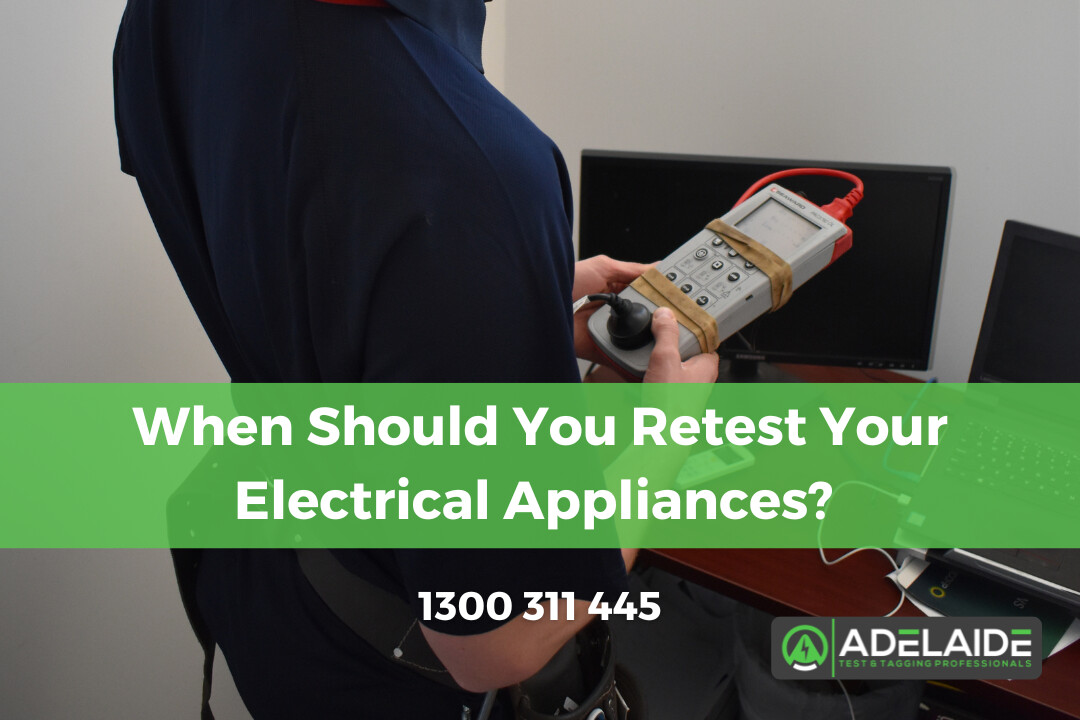
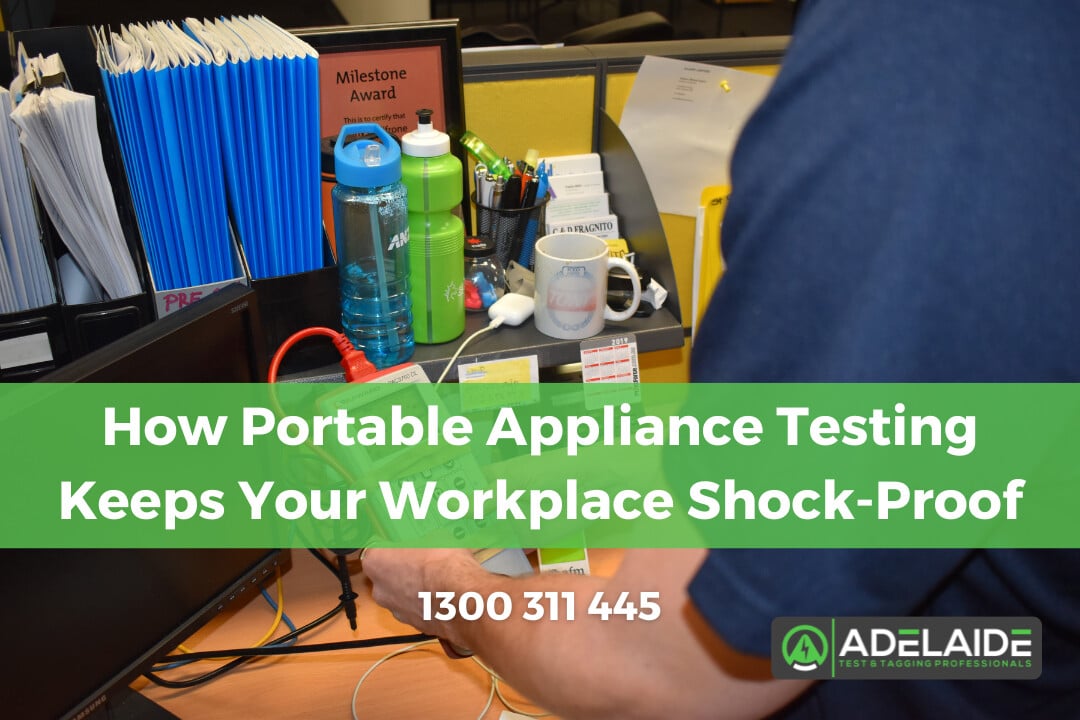
Electrical safety compliance is crucial for businesses to ensure the safety of their employees and customers. It involves adhering to regulations and standards that govern the use of electrical appliances and systems.
In Australia, the AS/NZS 3760 standard outlines the requirements for the testing and tagging of electrical appliances. Compliance not only helps in preventing electrical hazards but also enhances the overall safety culture within an organization, thereby protecting both assets and lives.
The Importance of Regular Fire Equipment Inspections
Regular inspections of fire equipment are essential to ensure that they function effectively in case of an emergency. This proactive measure can significantly reduce the risk of fire-related incidents in the workplace.
Fire extinguishers, alarms, and other safety equipment should be inspected at least annually. This ensures they are in proper working order, and any deficiencies can be addressed promptly, thus maintaining a safe environment for all employees and visitors.
Choosing the Right Testing Services for Your Business
Selecting the right testing services is vital for maintaining compliance and safety in your business operations. Understanding the specific needs of your electrical systems and fire safety equipment can guide your choice.
Businesses should consider factors such as the types of equipment used, the frequency of use, and any industry-specific regulations. Partnering with experienced professionals like Adelaide Test and Tagging can provide peace of mind and ensure that all testing is conducted according to the highest standards.
Frequently Asked Questions About Electrical Testing
Many businesses have questions regarding electrical testing and compliance requirements. Addressing these frequently asked questions can help clarify common concerns and misconceptions.
Some common inquiries include the frequency of testing, the types of equipment that require testing, and the costs associated with these services. Providing clear answers can help businesses make informed decisions regarding their safety protocols and compliance efforts.