Understanding Emergency Lighting Compliance Standards
Emergency lighting compliance is crucial for ensuring that workplaces meet safety regulations and provide adequate illumination during emergencies. Familiarity with local and national standards helps businesses maintain a safe environment for employees and visitors alike.
In Australia, compliance standards such as AS 2293 outline the requirements for emergency lighting systems, including installation, maintenance, and testing protocols. Regular assessments by qualified professionals ensure that your emergency lighting systems are operational and compliant, ultimately safeguarding lives and property.
The Importance of Regular Emergency Lighting Maintenance
Regular maintenance of emergency lighting systems is essential to ensure they function correctly when needed. Over time, components may degrade or fail, making routine checks vital for maintaining safety and compliance.
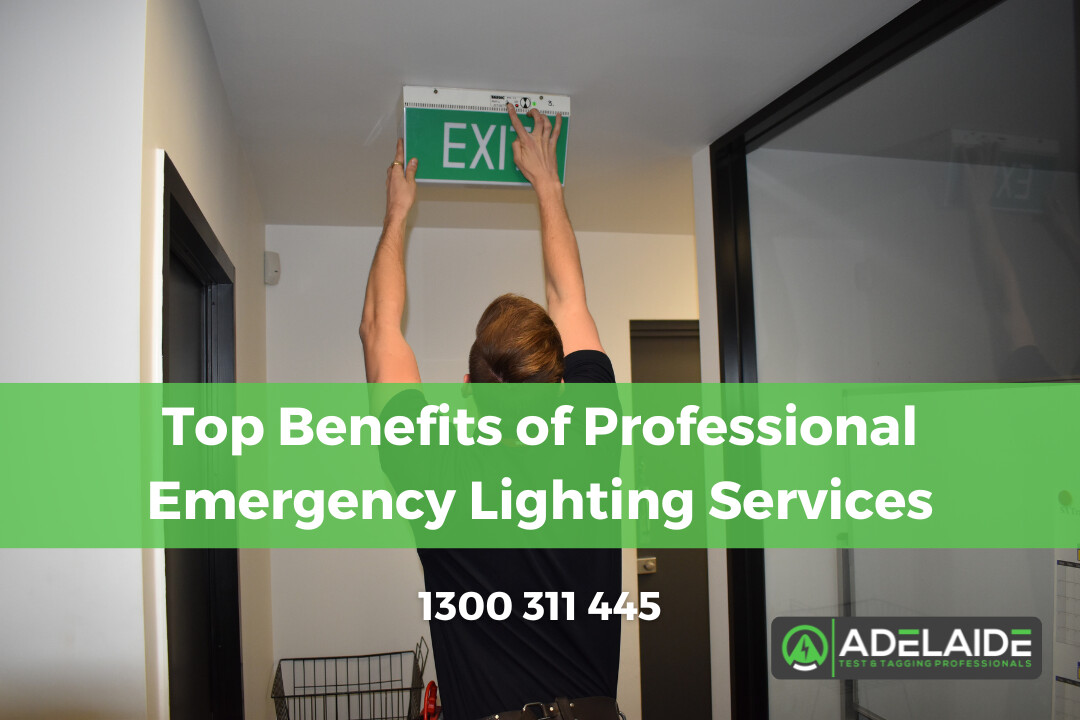
Scheduled maintenance typically includes testing the lights, checking batteries, and ensuring that all fixtures are free from obstructions. This proactive approach not only prevents potential failures but also enhances the reliability of your emergency response plans.
How to Choose the Right Emergency Lighting Solutions
Selecting the appropriate emergency lighting solutions for your facility involves understanding your specific needs and compliance requirements. Factors such as building layout, occupancy type, and local regulations play a significant role in this decision-making process.
It's advisable to consult with professionals who can assess your facility and recommend tailored solutions. They can provide insights into various options, such as LED emergency lights, exit signs, and battery backup systems, ensuring you choose the most effective and compliant products.
Common Myths About Emergency Lighting Debunked
There are several misconceptions surrounding emergency lighting that can lead to inadequate safety measures. One common myth is that emergency lighting is only necessary in large commercial buildings, which is false; all workplaces require adequate emergency lighting regardless of size.
Another myth is that once installed, emergency lighting systems do not need regular testing or maintenance. This is incorrect, as without routine checks, you risk having non-functional systems during an emergency. Understanding these myths helps businesses prioritize safety and compliance effectively.